Roasted cauliflower remains one of the most versatile and beloved vegetable preparations in modern cooking. This simple transformation turns a humble, pale vegetable into a caramelized masterpiece with crispy edges and a tender heart. Whether you follow a vegan, keto, or paleo lifestyle, this dish fits perfectly into your meal rotation.
In this comprehensive guide, we examine why roasting creates such intense flavors and how you can master this technique every single time.
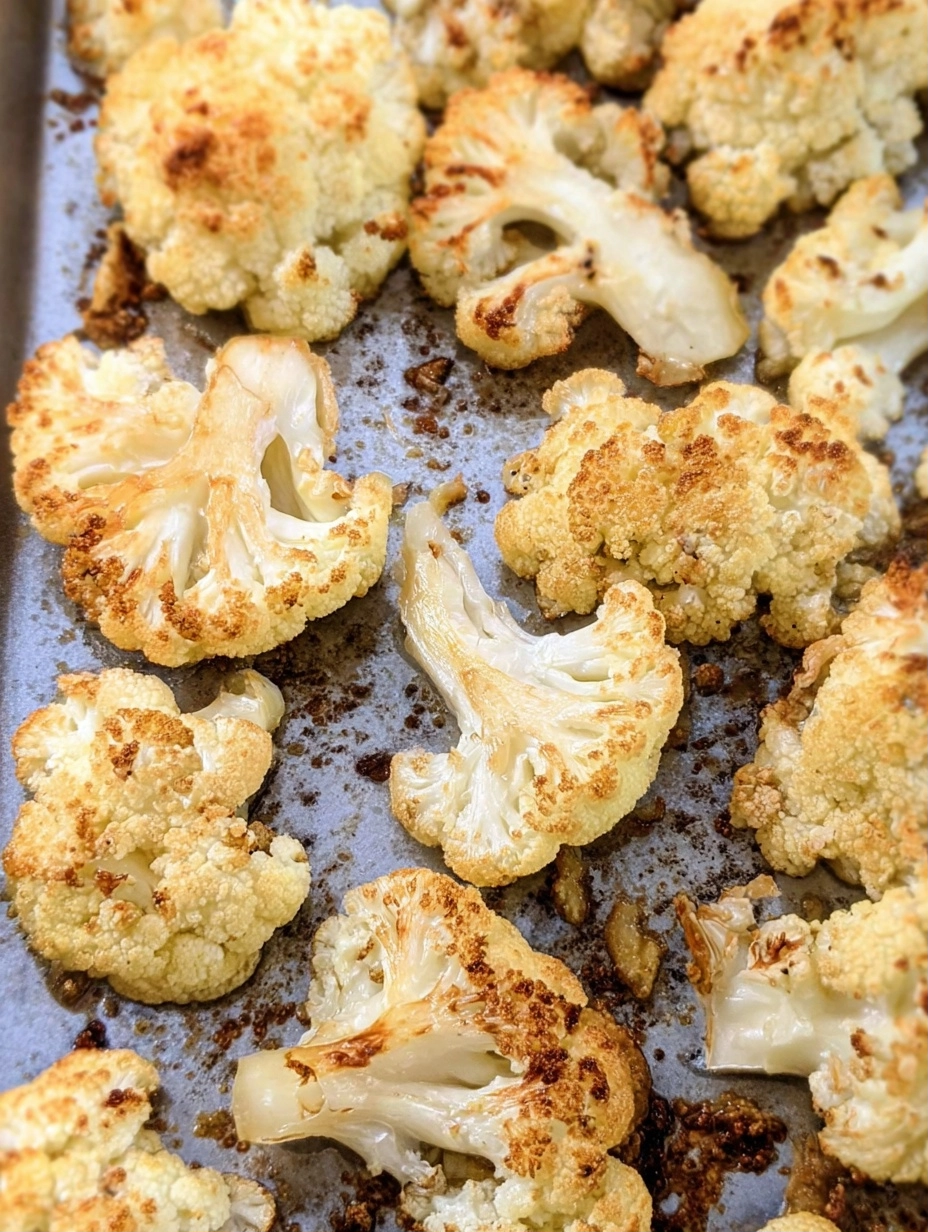
The Science of Perfect Roasting
When you place cauliflower florets into a high-heat oven, a chemical process called the Maillard reaction occurs. This reaction between amino acids and reducing sugars creates that brown, savory crust we all crave. Unlike boiling or steaming, which can leave cauliflower soggy and bland, roasting eliminates excess moisture.
This dehydration concentrates the natural sugars, resulting in a nutty and slightly sweet flavor profile that delights the palate.
Essential Ingredients for Success
Great cooking starts with high-quality ingredients. To make the best roasted cauliflower, you only need four primary components. First, choose a fresh, heavy head of cauliflower. Look for tightly packed florets and vibrant green leaves. Second, use extra virgin olive oil.
This fat acts as a heat conductor and provides a rich mouthfill. Third, sea salt and freshly cracked black pepper heighten the intrinsic flavors. Finally, fresh parsley adds a burst of herbal brightness that cuts through the richness of the oil.
Flavor Variations and Substitutions
While the basic salt and pepper seasoning offers a timeless taste, you can easily customize this recipe. For a Mediterranean flair, add dried oregano and lemon zest. If you prefer a smoky profile, toss the florets in smoked paprika or cumin. For those who enjoy heat, a pinch of red chili flakes works wonders.
Since we prioritize healthy and halaal cooking, we ensure all flavor enhancements remain plant-based and free from any prohibited additives or fermented extracts containing prohibited substances.
Step-by-Step Cooking Instructions
Execution is key to achieving that perfect texture. Follow these detailed steps to ensure your cauliflower achieves maximum crispiness without burning.
Prep and Cutting
Start by preheating your oven to 425 degrees Fahrenheit. A hot oven is non-negotiable for browning. While the oven heats, wash the cauliflower thoroughly. Drying the vegetable is the most important step; any water left on the florets will create steam, preventing them from crisping.
Cut the head into bite-sized florets. Aim for uniformity so everything cooks at the same rate.
Tossing and Coating
Place your dry florets on a baking sheet lined with parchment paper. In a small bowl, whisk together the olive oil, salt, and pepper. Drizzle this mixture over the cauliflower. Use your hands or a large spoon to ensures every nook and cranny of the florets receives a light coating of oil. Proper distribution of oil guarantees even browning.
The Roasting Window
Spread the florets into a single layer. Overcrowding the pan causes the vegetables to steam instead of roast. Bake for 25 to 30 minutes. At the 15-minute mark, use a spatula to flip the florets.
This ensures both sides contact the hot pan for a balanced crunch. Once the cauliflower looks golden brown with charred edges, remove it from the oven immediately.
Nutritional Benefits of Cauliflower
Cauliflower is a nutritional powerhouse. It provides a significant amount of Vitamin C, Vitamin K, and folate. Because it consists of roughly 92 percent water, it remains low in calories while being high in dietary fiber. This makes it an ideal choice for weight management and digestive health. Below is the detailed breakdown per serving:
| Nutrient | Amount per Serving |
|---|---|
| Calories | 82.3 kcal |
| Total Fat | 5.7 g |
| Carbohydrates | 7.1 g |
| Dietary Fiber | 2.9 g |
| Protein | 2.8 g |
| Sugars | 2.7 g |
| Sodium | 333.9 mg |
What to Serve with Roasted Cauliflower
This side dish complements almost any protein. Pair it with roasted chicken, grilled fish, or a hearty lentil stew. For a vegetarian meal, toss these roasted florets into a grain bowl with quinoa, chickpeas, and a drizzle of tahini sauce. The cauliflower also makes a great addition to salads, providing warmth and texture to cold greens.
Pro Tips for Best Results
Never skip the parchment paper; it prevents sticking and aids in cleanup. If you find your cauliflower is browning too quickly, move the tray to a lower rack. Conversely, if it looks pale at 20 minutes, move it to the top rack for the final 5 minutes.
Always serve the dish warm, as the florets lose their crispness as they cool. If you have leftovers, reheat them in an air fryer or oven rather than a microwave to restore the texture.
Conclusion
Mastering roasted cauliflower simplifies healthy eating. By focusing on high heat, dry florets, and quality olive oil, you create a restaurant-quality side dish at home. This recipe proves that you do not need complex ingredients or processed additions to enjoy a flavorful, satisfying meal.
Incorporate this roasted cauliflower into your weekly routine and enjoy the perfect balance of health and taste.
The Recipe
PrintRoasted Cauliflower
A crisp, golden-brown roasted cauliflower dish that brings out the natural nuttiness of the vegetable with simple seasonings.
- Prep Time: 10 min
- Cook Time: 25 min
- Total Time: 35 min
- Yield: 4 servings 1x
- Category: Side Dish
- Method: Roasting
- Cuisine: American
- Diet: Vegan, Gluten-Free, Halal
Ingredients
1 cauliflower head
1 1/2 tbsp olive oil
1/2 tsp salt
1/2 tsp black pepper
2 tbsp fresh chopped parsley (optional)
Instructions
- Preheat oven to 425°F (220°C) and line a baking sheet with parchment paper.
- Wash and thoroughly dry the cauliflower. Cut into equal bite-sized florets.
- Spread florets in a single layer on the prepared baking sheet.
- Whisk olive oil, salt, and pepper in a small bowl. Drizzle over cauliflower and toss to coat.
- Roast for 25-30 minutes, flipping halfway through, until edges are golden and centers are tender.
- Garnish with fresh parsley and serve immediately.
Notes
- Ensure the cauliflower is completely dry before roasting to avoid steaming.
- Store leftovers in an airtight container for up to 3 days.
Nutrition
- Serving Size: 1 cup
- Calories: 82.3 kcal
- Sugar: 2.7 g
- Sodium: 333.9 mg
- Fat: 5.7 g
- Saturated Fat: 0.8 g
- Unsaturated Fat: 4.5 g
- Trans Fat: 0 g
- Carbohydrates: 7.1 g
- Fiber: 2.9 g
- Protein: 2.8 g
- Cholesterol: 0 mg