If you’re searching for a satisfying, protein-rich dish that’s bursting with flavor and simple to make, this Crispy Gochujang Korean Tofu recipe is your perfect match. It combines the beloved textures of crispy, baked tofu with the deep, spicy-sweet complexity of a gochujang-based sauce. This dish is a fantastic introduction to cooking with tofu and Korean ingredients, offering a restaurant-quality experience right in your own kitchen.
Whether you’re a seasoned plant-based eater or just looking to incorporate more wholesome meals into your week, this recipe delivers on taste, nutrition, and ease.
Understanding the Core Ingredients
The magic of this dish lies in its harmonious blend of simple, high-quality components. Let’s break down the key players.
The Perfect Tofu Base
Extra-firm tofu is the star. Its dense structure holds up beautifully to pressing, coating, and baking, resulting in those coveted crispy edges and a chewy interior. Properly draining and pressing the tofu is the first critical step to success—it removes excess water, allowing the coating to adhere and the tofu to crisp up rather than steam in the oven.
The Flavor Powerhouse: Gochujang
Gochujang, a fermented Korean red chili paste, is the soul of the sauce. It provides a unique flavor profile: spicy, subtly sweet, and slightly smoky. It’s a staple in Korean pantries and is increasingly available in international grocery stores. Always check the label if you require a gluten-free version.
Paired with tamari (or soy sauce), a hint of tomato paste for depth, aromatic garlic and ginger, toasted sesame oil, and a natural sweetener like honey or maple syrup, it creates a sauce that is irresistibly glossy and complex.
The Crispy Coating Trio
A simple trio—a splash of tamari, cornstarch, and breadcrumbs—transforms the tofu’s surface. The tamari adds initial savory flavor and helps the dry components stick. Cornstarch is a secret weapon for crispiness; it creates a light, crackly layer when baked.
The breadcrumbs add the final textural element and golden color. Using gluten-free breadcrumbs makes the entire dish accessible to more diets.
Step-by-Step Cooking Guide
Follow these detailed steps to ensure your crispy tofu turns out perfectly every time.
Prepping the Tofu
Begin by preheating your oven to 400°F (200°C). Remove the tofu block from its package and drain the liquid. Wrap the block in a clean kitchen towel or use paper towels, and apply gentle pressure for a few minutes to absorb more moisture.
You don’t need a heavy press; just enough to remove the surface water. Then, cut the tofu into uniform 1-inch cubes. Consistency in size promotes even cooking.
Creating the Crispy Exterior
Place the tofu cubes in a mixing bowl. First, toss them with the tablespoon of tamari until each piece is lightly coated. Next, sprinkle the cornstarch over the tofu and toss again until a thin, dusty coating forms.
Finally, add the breadcrumbs and toss to achieve full, even coverage. The order is important—it builds a layered coating that will adhere during baking.
Baking for Perfect Crispness
Line a baking sheet with parchment paper. Arrange the coated tofu cubes on the sheet, ensuring they do not touch each other. This space allows heat to circulate around each piece, promoting even crisping instead of steaming.
Bake for 25 minutes. Then, a clever trick: turn off the oven but let the tofu sit inside for an additional 5 minutes. This final step helps dry out the exterior further without burning, achieving an ideal crunchy texture.
Crafting the Gochujang Sauce
While the tofu bakes, prepare the sauce. In a small saucepan, whisk together the tamari, gochujang, tomato paste, vegetable broth or water, your chosen sweetener, toasted sesame oil, rice vinegar, minced garlic, and grated ginger. In a separate small bowl, create a slurry by mixing the cornstarch with water.
Add this slurry to the saucepan. Heat the mixture over low-medium heat, whisking constantly, until it begins to bubble and thicken into a glossy, rich sauce. Remove it from the heat immediately; it will continue to thicken slightly as it cools.
Final Assembly and Serving
Once baked, let the tofu cool on the sheet for about 5 minutes—this helps the crisp coating set. Then, transfer the cubes to a bowl. Toss them with approximately half of the prepared sauce, coating each piece thoroughly. Reserve the remaining sauce for serving, allowing everyone to add extra according to their taste.
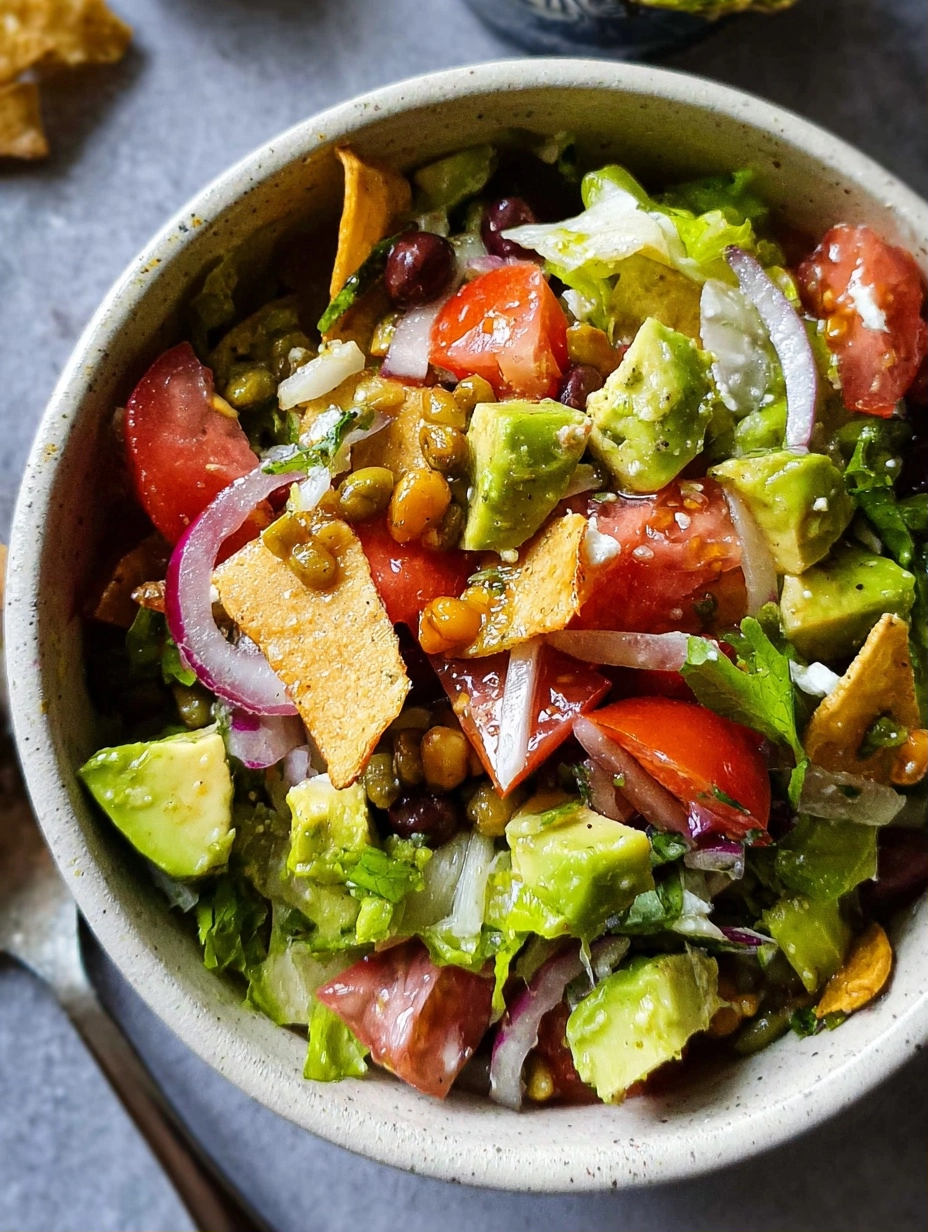
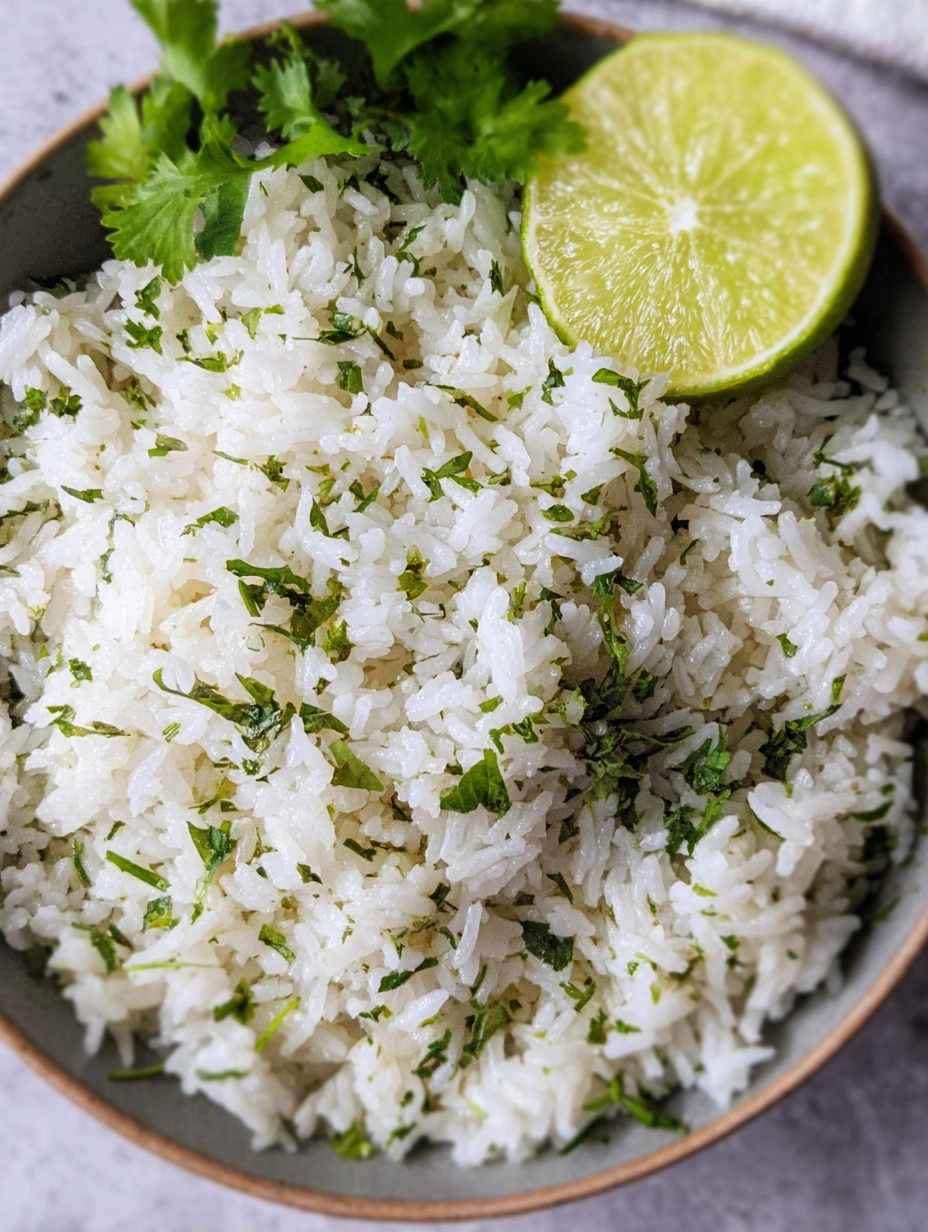
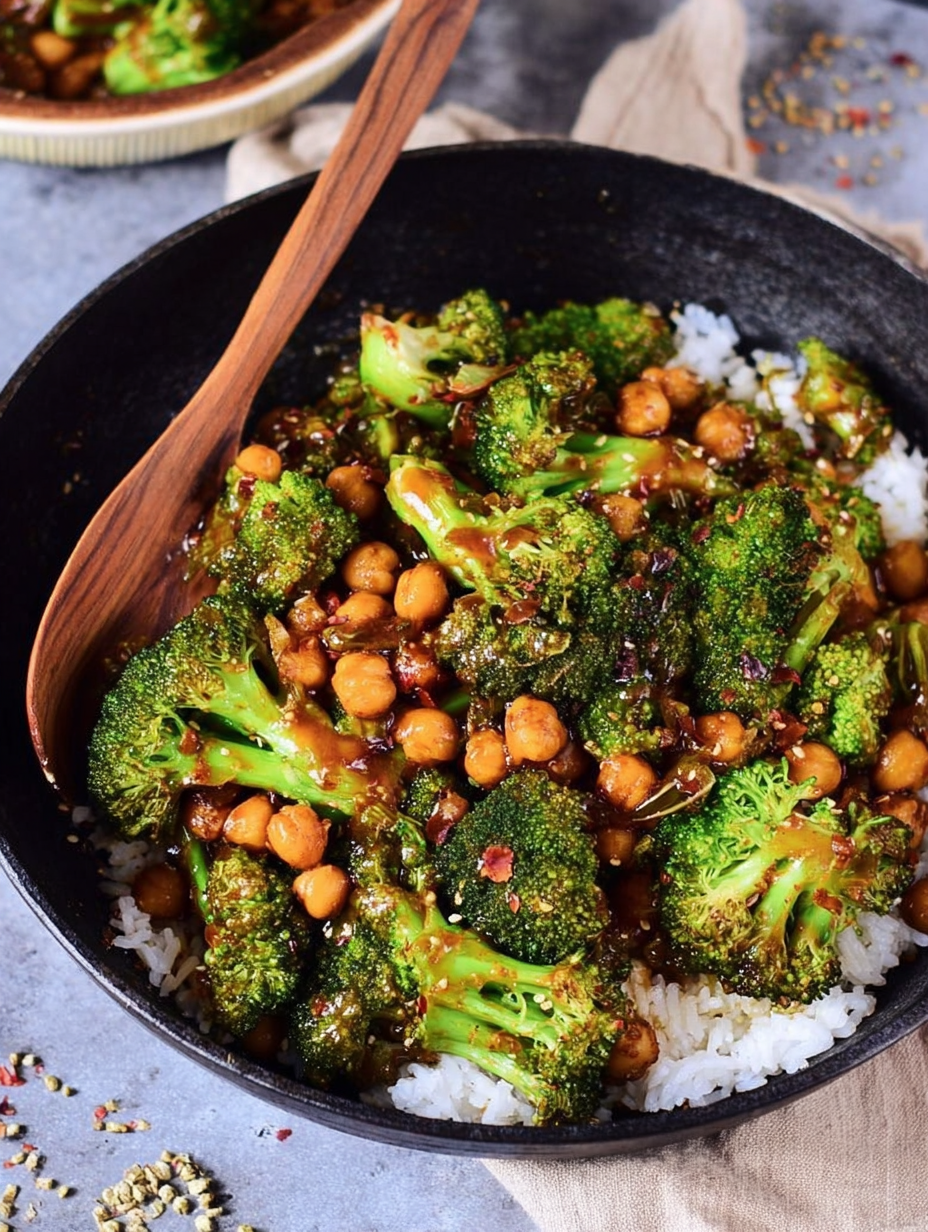
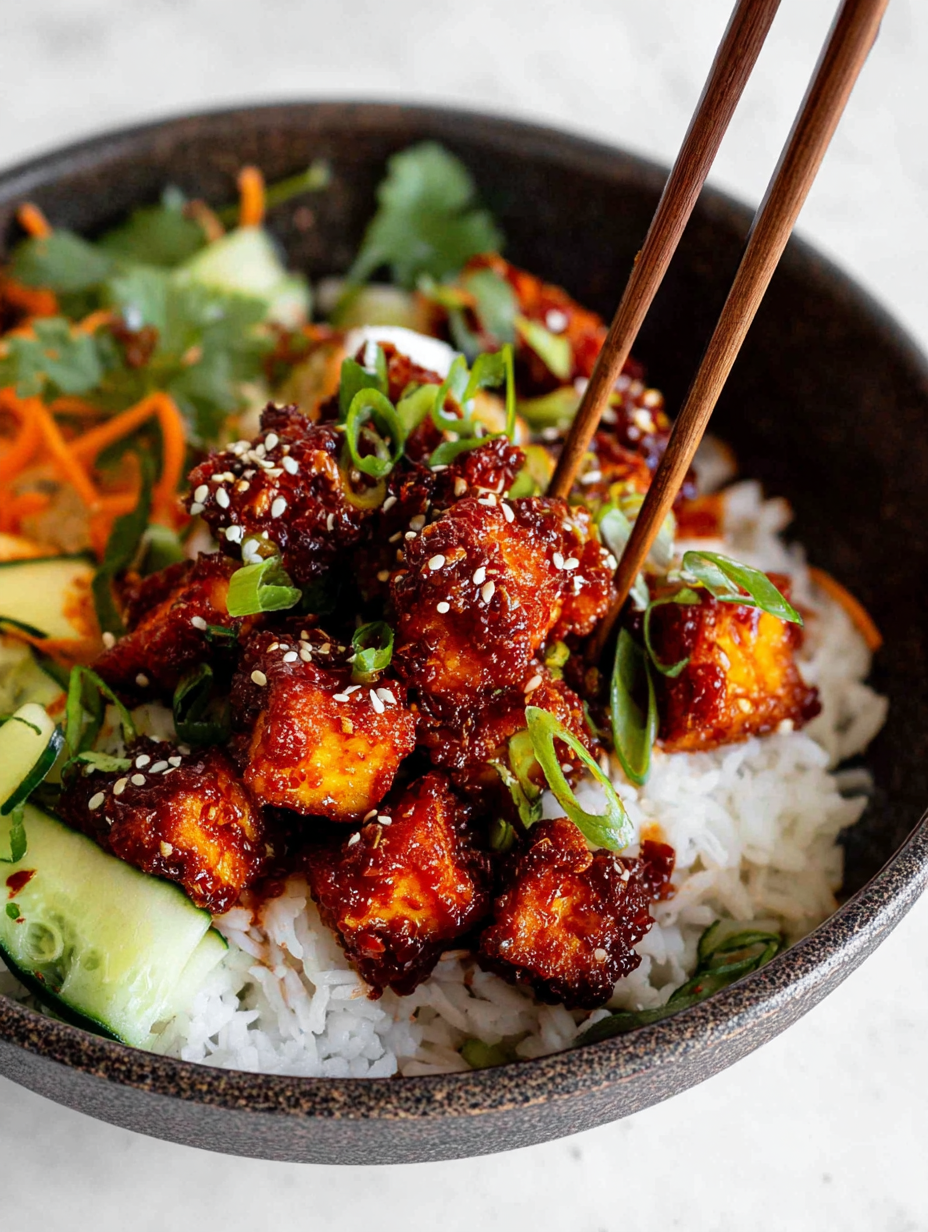
This dish is wonderfully versatile. Serve it over steamed rice with fresh accompaniments like sliced cucumber, shredded carrot, avocado, and a sprinkle of sesame seeds. It also pairs excellently with steamed broccoli or can be enjoyed straight from the bowl as a flavorful snack.
Nutritional Benefits and Dietary Flexibility
This Crispy Gochujang Korean Tofu is not only delicious but also nutritionally balanced. Tofu is a complete plant-based protein, providing all essential amino acids. It’s also a good source of iron and calcium. The recipe is naturally low in saturated fat and uses wholesome ingredients.
| Nutrient | Per Serving (Approx.) |
|---|---|
| Calories | 192 kcal |
| Total Fat | 4 g |
| Carbohydrates | 30 g |
| Protein | 8 g |
| Dietary Fiber | 1 g |
| Sugars | 11 g |
The dish can easily adapt to various dietary needs. Use maple syrup instead of honey for a strict vegan version. Ensure your gochujang and breadcrumbs are gluten-free if required. The recipe contains no animal products or by-products, making it suitable for vegetarian and vegan diets.
The sodium content can be managed by using low-sodium tamari and adjusting the sauce proportions.
Why This Recipe Stands Out
This recipe excels because it demystifies cooking with tofu. Many people find tofu bland or difficult to texture, but the baking method here solves both issues. The sauce, rooted in authentic Korean flavor principles, is approachable yet deeply satisfying.
It’s a quick meal—ready in under an hour—that feels special enough for a weekend dinner but easy enough for a busy weeknight. It’s a gateway to exploring more Korean and Asian-inspired plant-based cooking.
Pro Tips for the Best Results
- Press, Don’t Squash: Gentle pressing is key. Avoid using heavy weights that might crush the tofu’s structure.
- Space on the Sheet: Do not crowd the tofu pieces on the baking sheet. This is the single biggest factor for achieving crispiness.
- Slurry for Smoothness: Always mix cornstarch with cold water separately before adding it to the hot sauce to prevent clumping.
- Sauce Control: Tossing with only half the sauce initially prevents the tofu from becoming soggy and lets you control the final flavor intensity.
- Fresh Garnishes: The cool, fresh vegetables (cucumber, carrot) balance the spicy, warm tofu beautifully, adding texture and nutrition.
Exploring Variations and Leftovers
This recipe is a fantastic template for creativity. Try adding different vegetables to the baking sheet, like bell pepper chunks or broccoli florets, to roast alongside the tofu. For a nuttier flavor, swap the breadcrumbs for panko or add a teaspoon of crushed toasted nuts to the coating. The sauce can be tweaked by adding a splash of citrus juice or a pinch of smoked paprika.
Leftovers store well. Keep baked tofu and sauce separate in the refrigerator for up to 3 days. Reheat the tofu in a hot oven or air fryer for a few minutes to restore crispiness before tossing with reheated sauce.
In conclusion, Crispy Gochujang Korean Tofu is a celebration of texture and flavor. It proves that plant-based meals can be utterly crave-worthy and simple to prepare. With its balanced nutrition, dietary flexibility, and crowd-pleasing taste, it’s a recipe you’ll want to return to again and again.
Gather your ingredients, follow the straightforward steps, and get ready to enjoy a truly delicious homemade Korean-inspired feast.
The Recipe
PrintCrispy Gochujang Korean Tofu
A deliciously crispy baked tofu coated in a spicy-sweet Korean gochujang sauce. An easy, protein-packed vegan meal perfect with rice and fresh veggies.
- Prep Time: 15 min
- Cook Time: 30 min
- Total Time: 45 min
- Yield: 4 servings 1x
- Category: Main Dish
- Method: Baked
- Cuisine: Korean
- Diet: Vegan, Vegetarian
Ingredients
1 16 ounce block extra firm tofu
1 tablespoon tamari or soy sauce
1 tablespoon cornstarch
3 tablespoons gluten free breadcrumbs (can sub regular breadcrumbs)
1/4 cup low sodium tamari or soy sauce
1/4 cup gochujang/red chili paste (be sure to check if GF!)
1 tablespoon tomato paste
2 tablespoons vegetable broth or water
3 tablespoons honey (sub maple syrup for vegan)
1 tablespoon toasted sesame oil
1 tablespoon rice vinegar
2 teaspoons minced garlic
1 teaspoon fresh grated ginger
1 teaspoon cornstarch
1 teaspoon water
Instructions
- Preheat the oven to 400 degrees Fahrenheit.
- Remove the tofu from the package and drain off the excess liquid. Wrap in a towel and lightly press to absorb the liquid.
- Cut into about 1 inch cubes and add to a bowl.
- Toss with the soy sauce, then cornstarch, then breadcrumbs until well coated.
- Place on a baking sheet lined with parchment paper and try to ensure no pieces of tofu touch each other. This helps it get crispier.
- Bake for 25 minutes, then turn off the oven and let sit an additional 5 minutes.
- Meanwhile, whisk together all ingredients aside from the water/cornstarch for the sauce in a small pot.
- Whisk together the cornstarch and water in a small bowl and add to the pot. Whisk, then heat over low/medium heat until the sauce starts to bubble and thicken. Remove from the heat to let it thicken further.
- When the tofu is done, let cool for 5 minutes, then transfer to a bowl. Toss with half of the sauce (reserve the rest for serving) until well coated.
- Serve with rice, cucumber, carrot, avocado and sesame seeds. Also delicious with broccoli or just as is!
Notes
- For vegan version, use maple syrup instead of honey.
- Ensure gochujang and breadcrumbs are gluten-free if needed.
- Do not crowd tofu on baking sheet for maximum crispiness.
- Leftover tofu and sauce store separately in fridge for up to 3 days.
Nutrition
- Calories: 192 kcal
- Sugar: 11 g
- Fat: 4 g
- Carbohydrates: 30 g
- Fiber: 1 g
- Protein: 8 g