The humble baked potato stands as a cornerstone of comfort food across the globe. When you achieve that ideal balance of a crispy, salty skin and a fluffy, cloud-like interior, you have created a culinary masterpiece. This guide explores the nuances of crafting the perfect oven-baked potato, ensuring every bite provides maximum satisfaction.
Many people settle for mediocre spuds, but with a few simple techniques, you will elevate this side dish to center-stage status.
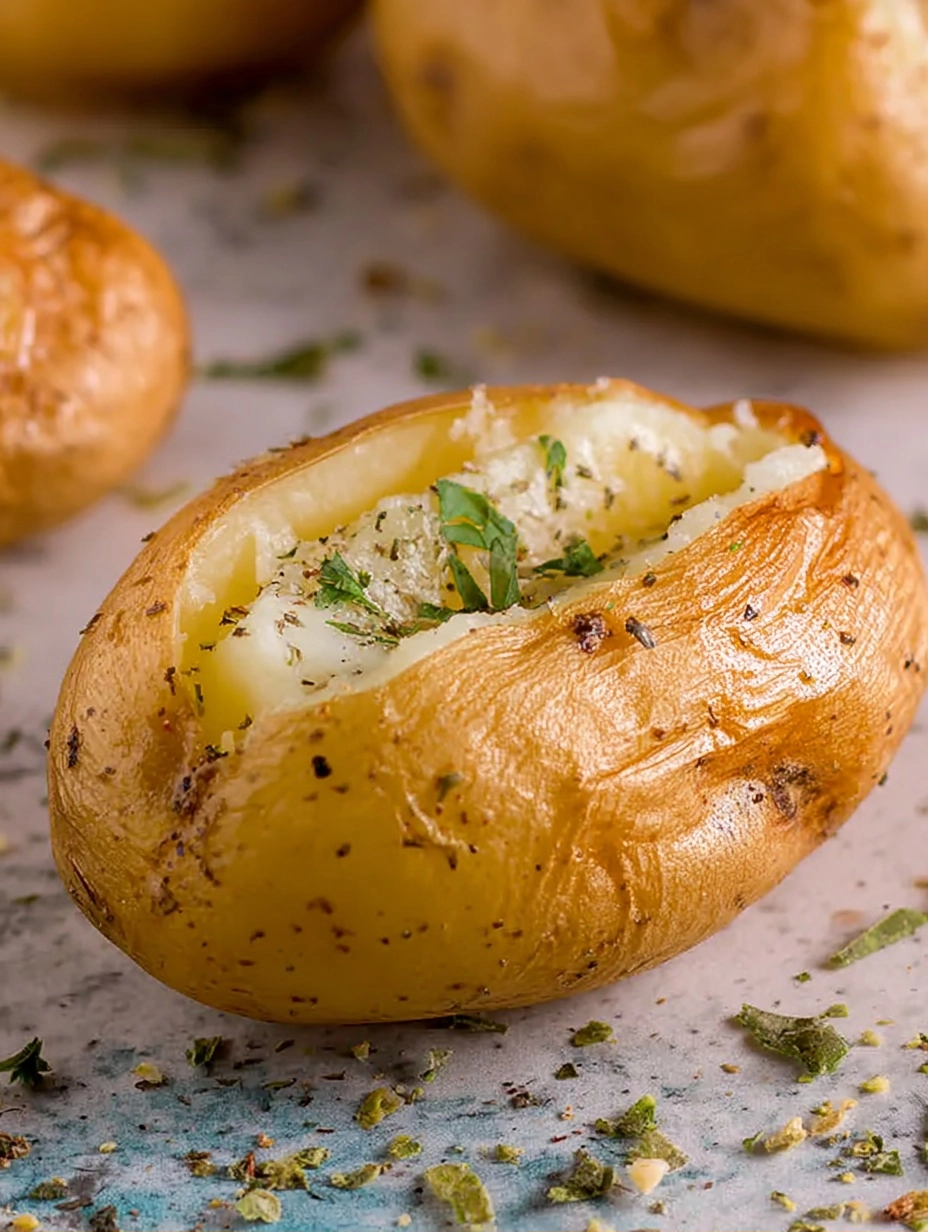
Choosing the Right Potato for Baking
Selection marks the first step toward excellence. For a classic baked potato, Russet potatoes remain the gold standard. Their high starch content creates that sought-after mealy texture that absorbs toppings beautifully. Look for potatoes that feel firm to the touch and lack any green tint or sprouts.
Medium-sized potatoes, weighing between 8 and 12 ounces, cook evenly and present well on the plate. If you choose smaller varieties like Yukon Golds, expect a waxy, creamy texture rather than a fluffy one.
Preparation Essentials: Scrubbing and Drying
Cleanliness impacts both flavor and safety. Wash your potatoes under cool running water, using a vegetable brush to remove stubborn soil. After scrubbing, you must dry the potatoes thoroughly. Excess moisture on the skin prevents the oil from adhering properly and creates steam, which leads to soggy skin.
Use a clean kitchen towel to pat them dry until no dampness remains. Skipping this step often results in a lackluster crust.
The Secret to Crispy Skin: Oil and Salt
Professional chefs know that the skin should taste just as good as the interior. Rubbing the exterior with olive oil or high-quality vegetable oil serves two purposes: it facilitates heat transfer and helps the salt stick. For a richer flavor profile, many cooks use melted vegan butter alternatives.
Sprinkle a generous amount of sea salt or kosher salt over the oiled surface. The salt draws out moisture from the skin during the baking process, resulting in a crackling, savory exterior that contrasts perfectly with the soft middle.
Ventilation: Why We Poke Holes
Never skip the step of poking holes in your potatoes. Using a fork, pierce the skin three or four times to create vents. As the internal temperature rises, the water inside the potato turns to steam. If this steam has no exit strategy, pressure builds up, which can occasionally cause the potato to burst in your oven.
More importantly, these vents allow the interior to dry out slightly, which contributes to the fluffy texture we desire.
Optimizing Oven Temperature and Placement
Heat management dictates the final outcome. Preheating your oven to 425°F (220°C) is key. High heat ensures the skin crisps up quickly before the inside overcooks. While some people wrap their potatoes in foil, we strongly advise against it. Foil traps steam, essentially boiling the potato rather than roasting it.
By placing the potatoes directly on a rimmed baking sheet lined with parchment, you allow dry heat to circulate around the entire tuber. For the most even cook, place the baking sheet on the center rack of the oven.
How to Test for Perfect Doneness
Baking usually takes between 45 and 50 minutes, but variables like oven calibration and potato size matter. To check if they are done, insert a sharp knife or fork into the thickest part of the spud. It should slide in with zero resistance.
If you feel any firmness in the center, give it another five to ten minutes. Another method involves checking the internal temperature with a probe thermometer; look for a reading between 205°F and 212°F for the fluffiest result.
Creative Topping Ideas
A baked potato provides a blank canvas for flavors. While salt and pepper are essential, consider these combinations:
- Classic Vegan: Chives, dairy-free sour cream, and vegan butter.
- Mediterranean: Diced tomatoes, olives, and a drizzle of tahini.
- Spicy: Sliced jalapeños, black beans, and salsa.
- Savory: Sautéed mushrooms and caramelized onions.
Nutrition Information
| Nutrient | Amount |
|---|---|
| Calories | 194.9 kcal |
| Total Fat | 3.7 g |
| Carbohydrates | 37.2 g |
| Protein | 4.3 g |
| Fiber | 4.7 g |
| Sugar | 1.7 g |
| Sodium | 303.5 mg |
Frequently Asked Questions
Can I bake potatoes at a lower temperature?
Yes, you can bake them at 350°F, but it will take about 75 to 90 minutes. The skin will not be as crispy as the high-heat method.
Why is my baked potato gummy?
Gummy potatoes usually result from undercooking or using waxy potatoes like Red Bliss. Stick to Russets and ensure they reach the proper internal temperature.
Are baked potatoes healthy?
Absolutely. Potatoes are rich in potassium, Vitamin C, and fiber. Maintaining a healthy profile depends largely on the toppings you choose. Opting for plant-based fats and fresh vegetables keeps the dish nutrient-dense and low in saturated fats.
Conclusion
Achieving the perfect baked potato requires minimal effort but demands attention to detail. By choosing Russets, drying them thoroughly, and using high heat without foil, you ensure a restaurant-quality result every time. This versatile dish fits any meal plan and satisfies even the pickiest eaters. Master this simple technique today and enjoy the ultimate comfort food.
The Recipe
PrintBaked Potato
A classic, foolproof recipe for crispy-skinned, fluffy oven-baked potatoes.
- Prep Time: 5 min
- Cook Time: 45 min
- Total Time: 50 min
- Yield: 4 servings 1x
- Category: Side Dish
- Method: Baking
- Cuisine: American
- Diet: Vegan, Gluten-Free
Ingredients
1 to 4 Russet potatoes (8–12 oz each)
1 tbsp olive oil
1/2 to 1 tsp sea salt
Instructions
- Preheat oven to 425°F (220°C) and line a baking sheet with parchment paper.
- Wash and scrub potatoes under cool water; pat completely dry.
- Rub each potato with olive oil and sprinkle generously with salt.
- Poke 3-4 holes in each potato using a fork to allow steam to escape.
- Place potatoes on the baking sheet and bake for 45-50 minutes until soft.
- Split open the tops and serve immediately with desired toppings.
Notes
- Avoid using foil to ensure the skin stays crispy.
- Russet potatoes provide the best texture for baking.
Nutrition
- Serving Size: 1 potato
- Calories: 194.9 kcal
- Sugar: 1.7 g
- Sodium: 303.5 mg
- Fat: 3.7 g
- Saturated Fat: 0.5 g
- Unsaturated Fat: 3.2 g
- Trans Fat: 0 g
- Carbohydrates: 37.2 g
- Fiber: 4.7 g
- Protein: 4.3 g
- Cholesterol: 0 mg