Welcome to a classic comfort food, reimagined with a vibrant, healthy, and entirely plant-based twist. This plant-based fried rice recipe is your answer to a quick, satisfying, and incredibly flavorful weeknight meal. It’s a versatile canvas that welcomes whatever vegetables you have on hand, transforming simple ingredients into a culinary masterpiece. Whether you’re new to vegan cooking or a seasoned pro looking for a foolproof staple, this dish delivers on taste, texture, and nutrition.
We’ll guide you through every step, from choosing the right rice to achieving that iconic ‘wok hei’ flavor right in your own kitchen. Plus, we’ve included tips to make this recipe your own, ensuring you have a go-to fried rice recipe that never disappoints.
Why You’ll Love This Vegan Fried Rice Recipe
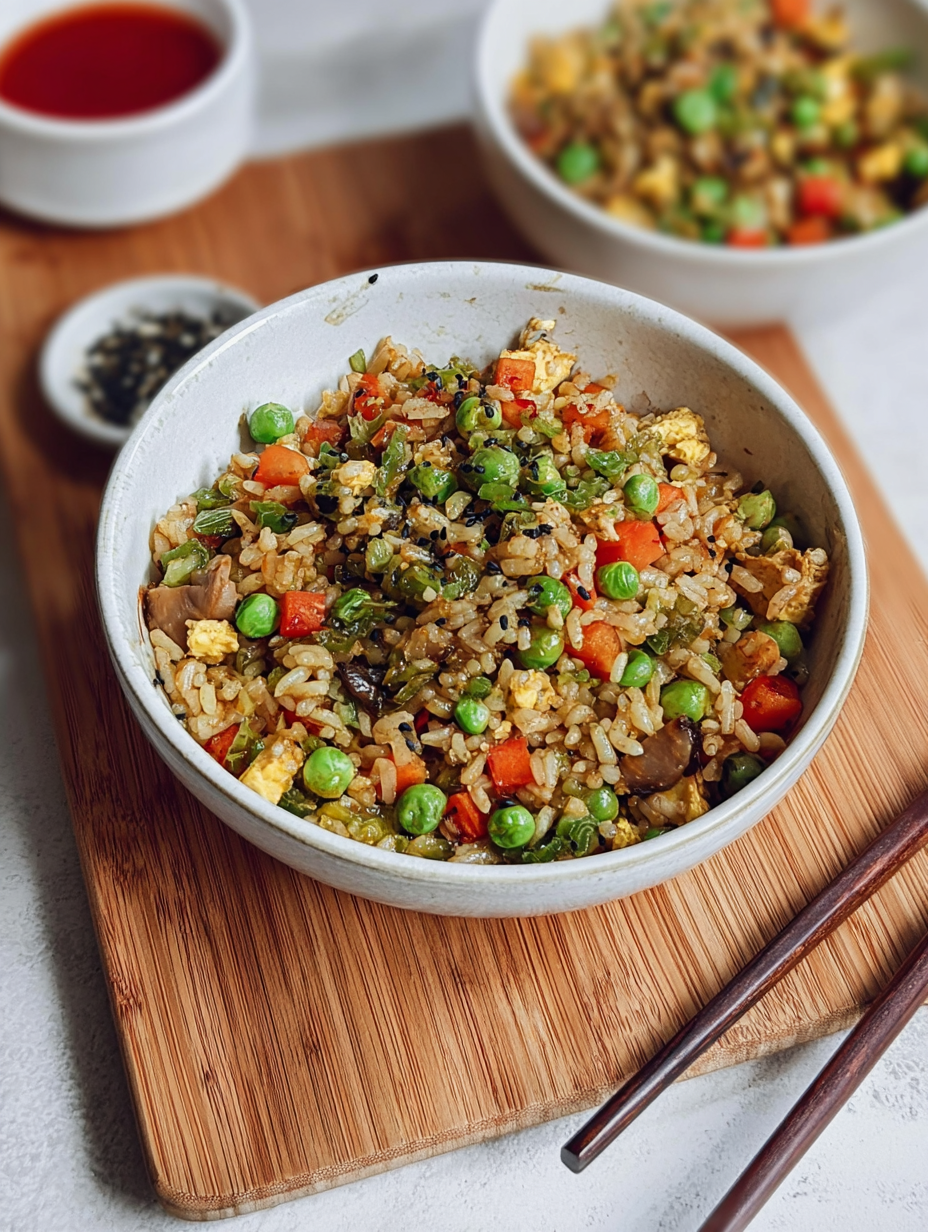
This isn’t just another side dish; it’s a complete, protein-packed meal that comes together in under 30 minutes. The magic lies in its simplicity and the symphony of savory, slightly sweet, and umami flavors. Using cold, day-old rice is the secret professional chefs use to prevent a mushy texture, giving each grain a delightful chewiness. The combination of peas, carrots, edamame, and onion provides a wonderful crunch and a boost of vitamins and fiber.
The sauce, a simple blend of soy sauce, a touch of vinegar, and a hint of sugar, coats every ingredient perfectly, creating a harmonious flavor in every bite. It’s a fantastic way to use up leftover rice and vegetables, making it both economical and environmentally friendly. This recipe proves that eating plant-based doesn’t mean sacrificing flavor or satisfaction.
Key Ingredients for Authentic Flavor
Let’s break down the stars of this show. Cooked White Rice: Preferably short-grain or sushi rice for its sticky yet firm texture, but any long-grain rice like jasmine works beautifully. The key is that it’s cold. Vegan Butter: This adds a rich, savory depth that oil alone can’t provide, mimicking the traditional taste. Soy Sauce: The primary source of salty umami.
For a gluten-free version, use tamari. Rice Vinegar: A small amount brightens the entire dish, cutting through the richness. Vegetables: The classic trio of onion, peas, and carrots offers sweetness and color, while shelled edamame adds a fantastic protein and textural element. Feel free to add mushrooms, bell peppers, or corn.
Step-by-Step Cooking Instructions
Follow these simple steps for restaurant-quality fried rice at home. Remember, preparation is key to a smooth cooking process, as everything comes together very quickly.
1. Prep Your Ingredients
Begin by ensuring your rice is cooked and completely cooled. Day-old, refrigerated rice is ideal. Chop your onion and carrots into small, uniform pieces. If using frozen peas and edamame, there’s no need to thaw them. In a small bowl, whisk together the soy sauce, rice vinegar, and sugar until the sugar dissolves.
This is your flavor-packed stir-fry sauce. Having everything measured and within arm’s reach (a practice called ‘mise en place’) is crucial for successful stir-frying.
2. Stir-Fry the Vegetables
Heat a large wok or a wide, deep skillet over high heat. Add the vegan butter. Once melted and sizzling, add the chopped onion. Stir-fry for about 2 minutes until it becomes soft and translucent. The high heat will start to develop those delicious caramelized notes.
Next, add the carrots, peas, and edamame. Continue to stir-fry for another 2-3 minutes. The goal is to cook the vegetables until they are tender-crisp and vibrant in color.
3. Combine and Finish the Dish
Now, add the cold cooked rice to the wok. Use your spatula to break up any large clumps, ensuring the grains are separate. Pour the prepared sauce evenly over the rice and vegetables. Stir-fry vigorously for 2-3 minutes, tossing constantly to coat every grain and heat the rice through.
You’ll see the rice turn a beautiful, even brown color from the sauce. Once everything is piping hot and well combined, remove the wok from the heat immediately.
4. Serve and Garnish
Transfer the fried rice to serving bowls. For an authentic finishing touch, sprinkle with furikake seasoning (a Japanese blend of seaweed, sesame seeds, and salt) or thinly sliced green onions. The garnish adds a final layer of aroma, flavor, and visual appeal. Serve your plant-based fried rice immediately while it’s hot and fresh.
It pairs wonderfully with other Asian-inspired dishes like our savory Butter Cauliflower or as a hearty base for our zesty Buffalo Cauliflower Wings.
Expert Tips & Common Mistakes to Avoid
To elevate your fried rice from good to great, keep these pro tips in mind. Use Cold Rice: This is non-negotiable. Fresh, warm rice is too moist and will become gummy when stir-fried. Plan ahead or use leftovers. High Heat is Essential: Stir-frying is a quick-cook method. Your wok should be very hot before adding ingredients to sear them quickly and lock in flavor.
Don’t Overcrowd the Pan: If you’re doubling the recipe, cook in batches. Overcrowding steams the vegetables instead of frying them. Customize Your Veggies: This recipe is incredibly flexible. Try adding chopped mushrooms, water chestnuts for crunch, or baby corn. For a different flavor profile, swap the soy sauce for a gluten-free tamari or coconut aminos.
Nutritional Benefits of Plant-Based Fried Rice
This dish is not only delicious but also nourishing. It’s a balanced meal providing complex carbohydrates from the rice for sustained energy, plant-based protein from the edamame and peas, and healthy fats from the vegan butter. The colorful vegetables deliver a range of vitamins, minerals, and antioxidants, while the fiber content supports digestive health.
Making it at home allows you to control the sodium level, making it a healthier alternative to takeout. Enjoy it as a standalone meal or alongside a simple soup or salad for a complete dining experience.
| Nutrition Information (Per Serving) | |
|---|---|
| Calories | 361 kcal |
| Total Fat | 9 g |
| Carbohydrates | 59 g |
| Fiber | 5 g |
| Sugar | 8 g |
| Protein | 10 g |
| Sodium | 1166 mg |
Serving Suggestions & Storage
This fried rice is fantastic on its own but can be part of a larger feast. For a complete Asian-inspired meal, serve it with a side of our easy 2-Ingredient Naan Bread to scoop up every last grain. It also makes a wonderful packed lunch. To store, let the fried rice cool completely, then transfer it to an airtight container.
It will keep in the refrigerator for up to 3 days. Reheat in a skillet over medium heat with a tiny splash of water to revive the texture. We do not recommend freezing this dish, as the texture of the rice can become mushy upon thawing.
Conclusion: Your New Go-To Recipe
Mastering this plant-based fried rice recipe means you always have a delicious, healthy, and quick meal option at your fingertips. It’s a testament to how simple, whole-food ingredients can create something extraordinarily comforting and flavorful. By following our tips on using cold rice and high heat, you’ll achieve that perfect, non-greasy texture that defines great fried rice.
We encourage you to make it your own by experimenting with different vegetable combinations and protein additions like tofu or tempeh. Once you try this method, you may never order takeout fried rice again. Happy cooking!
The Recipe
PrintPlant-based Fried Rice
A quick, flavorful, and healthy vegan fried rice made with simple vegetables and a savory sauce, ready in under 30 minutes.
- Prep Time: 20 min
- Cook Time: 8 min
- Total Time: 28 min
- Yield: 3 servings 1x
- Category: Main Course
- Method: Stir-Fried
- Cuisine: Asian-Inspired
- Diet: Vegan, Vegetarian
Ingredients
3 cups cooked white rice (preferably cold)
2 Tbsp vegan butter
1/4 cup soy sauce (or tamari for gluten-free)
1/2 Tbsp rice vinegar
1/2 Tbsp sugar
1 cup chopped onion
1/2 cup peas (fresh or frozen)
1/2 cup carrots, finely chopped (fresh or frozen)
1/2 cup shelled edamame (fresh or frozen)
2 Tbsp furikake seasoning (optional, for topping)
2 Tbsp sliced green onions (optional, for topping)
Instructions
- Cook rice according to package instructions and let it cool completely (ideally refrigerate overnight).
- Chop all vegetables. Whisk together soy sauce, rice vinegar, and sugar in a small bowl.
- Heat a wok or large skillet over high heat. Add vegan butter. Once melted, add onion and stir-fry for 2 minutes until translucent.
- Add peas, carrots, and edamame. Stir-fry for another 2-3 minutes until vegetables are tender-crisp.
- Add the cold cooked rice to the wok. Break up any clumps. Pour the sauce over the rice and vegetables.
- Stir-fry everything together for 2-3 minutes, tossing constantly, until the rice is hot and evenly coated.
- Remove from heat. Serve immediately, garnished with furikake or green onions if desired.
Notes
- Using cold, day-old rice is crucial to prevent a mushy texture.
- For a gluten-free version, use tamari instead of soy sauce.
- Feel free to add other vegetables like mushrooms, bell peppers, or corn.
- Reheat leftovers in a skillet with a splash of water to restore texture.
Nutrition
- Serving Size: 1 serving
- Calories: 361 kcal
- Sugar: 8 g
- Sodium: 1166 mg
- Fat: 9 g
- Saturated Fat: 2 g
- Trans Fat: 0 g
- Carbohydrates: 59 g
- Fiber: 5 g
- Protein: 10 g
- Cholesterol: 0 mg